
The 'Write-Off' Myth: Why Buying a Fancy Truck Won't Actually Save Your Business
Let's talk about one of the most persistent myths in small business: "I need to buy a truck (or SUV, or sports car) before the end of the year for the write-off!"
We hear this every December like clockwork. Business owners who've had a profitable year suddenly convince themselves that dropping $80,000 on a vehicle they don't really need is somehow a brilliant tax strategy. Spoiler alert: it's usually not.
Here's the uncomfortable truth: buying something expensive just to "write it off" is still spending money. And unless you're operating in some bizarro tax bracket where Uncle Sam pays you to buy stuff (he doesn't), you're not coming out ahead.
Let's break down why this myth persists, what the actual numbers look like, and what smart tax strategy really means for your cash flow.
The Core Misconception: Deductions Aren't Refunds
The biggest mistake? Thinking a tax write-off works like a coupon or rebate. It doesn't.
When you "write off" a business expense, you're claiming a deduction: which reduces your taxable income. It's not a dollar-for-dollar refund. You don't get the money back.
Here's how the math actually works:
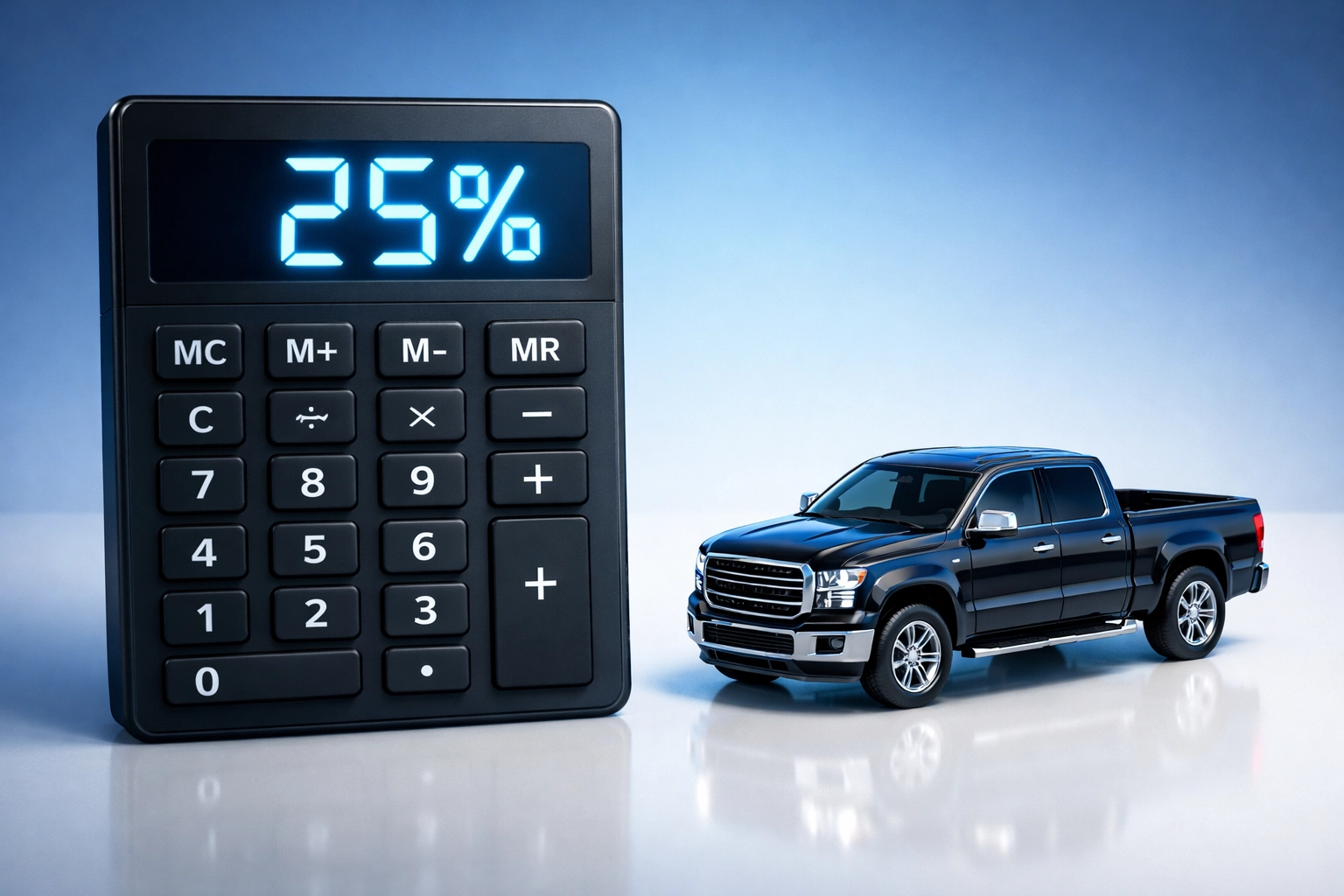
Let's say you buy a $92,000 truck and successfully claim it as a business deduction. Depending on your tax bracket (federal, state, and self-employment taxes combined), you might be in the 25-35% range. That means your actual tax savings are somewhere between $23,000 and $32,000.
You still spent $92,000.
You saved taxes on that purchase, sure. But you're now carrying a depreciating asset with loan payments, insurance premiums, maintenance costs, and fuel bills. None of those ongoing expenses magically disappear because you got a partial tax break upfront.
The Fine Print: What You Actually Need to Qualify
Even if you decide a vehicle purchase makes sense for your business, there are strict rules about what qualifies and how much you can deduct. The IRS isn't handing out freebies.
Business Use Must Exceed 50%
You can't just slap a company logo on your personal vehicle and call it a day. The IRS requires that more than 50% of the vehicle's use is for legitimate business purposes. And if you use the truck 60% for business, you can only deduct 60% of the costs: not the full purchase price.
Vehicle Weight Matters (A Lot)
Only vehicles over 6,000 pounds gross vehicle weight qualify for accelerated depreciation under Section 179 or bonus depreciation rules. Most passenger cars, sedans, and smaller SUVs don't make the cut.
Bonus Depreciation Is Disappearing
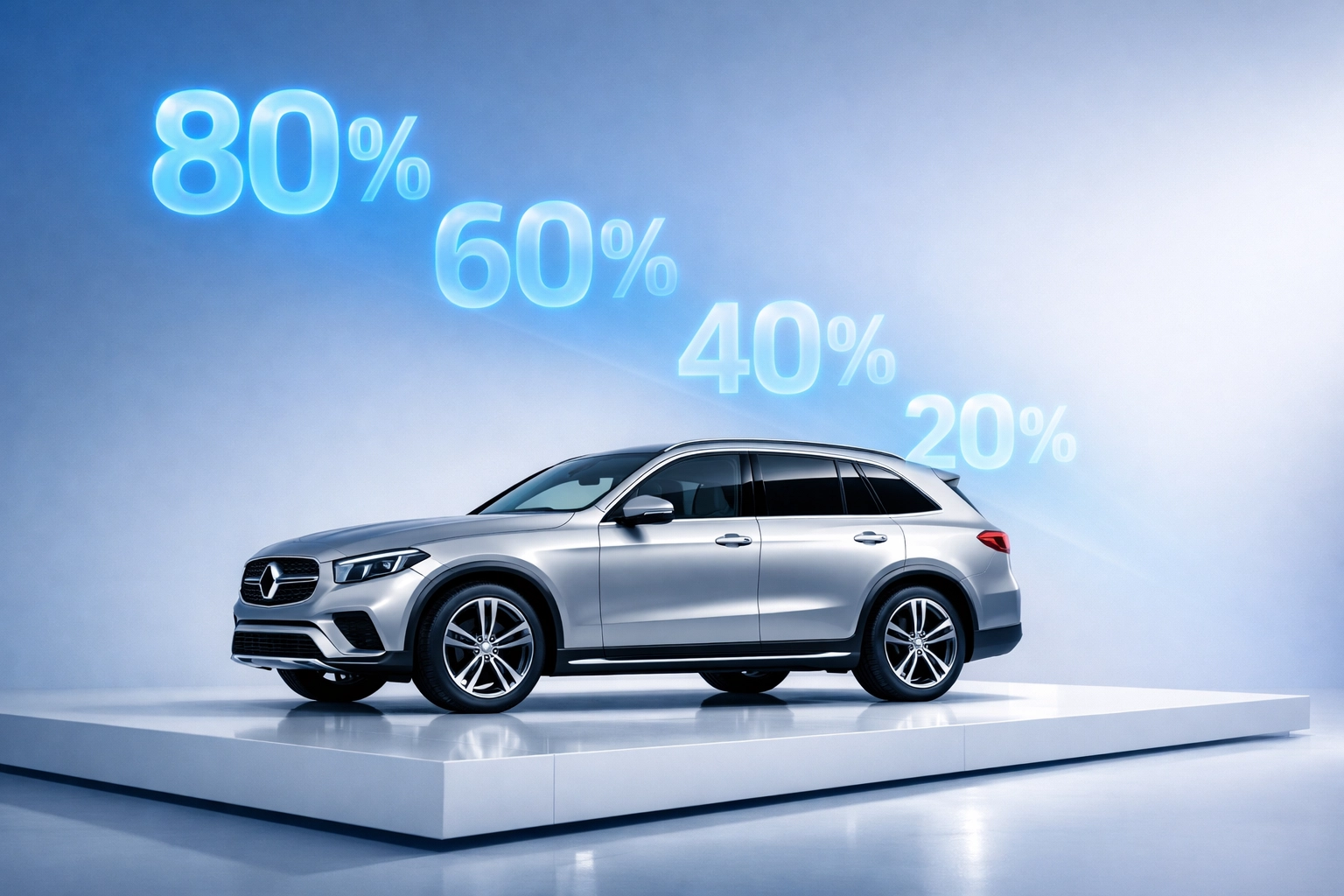
Bonus depreciation is phasing out quickly:
- 2024: 60%
- 2025: 40%
- 2026: 20%
- 2027: Gone entirely
What Real Tax Strategy Looks Like
Smart tax planning isn't about spending money you don't need to spend. It's about strategic timing, intentional investments, and protecting your cash flow.
- Invest in Revenue-Generating Assets: Put money into things that actually grow your business.
- Max Out Retirement Contributions: SEP IRAs and Solo 401(k)s build wealth, they don't just "spend" it.
- Accelerate Planned Expenses: Buy the software or equipment you were going to buy anyway in January.

The Bottom Line: Stop Chasing Deductions, Start Building Wealth
Real financial strategy focuses on cash flow preservation and long-term wealth building. It's not as sexy as a new truck, but it's a whole lot smarter.
At Ledger Leaders Strategy Group, we help you make decisions based on actual numbers, not tax myths. If you're wondering if that big purchase really makes sense, let's talk.