
Mileage & Receipts: Your 2026 Guide to Digital Audit-Proofing
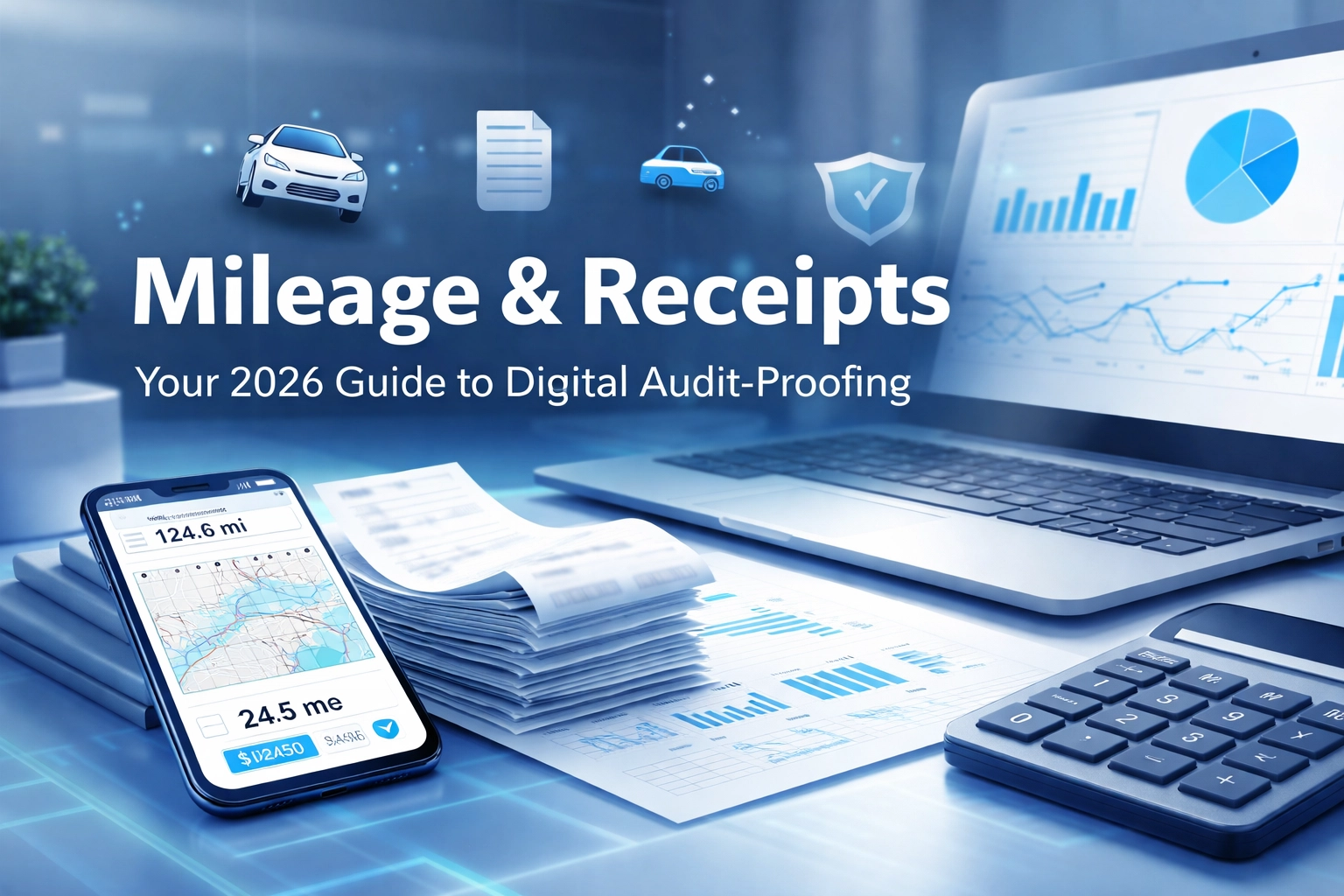
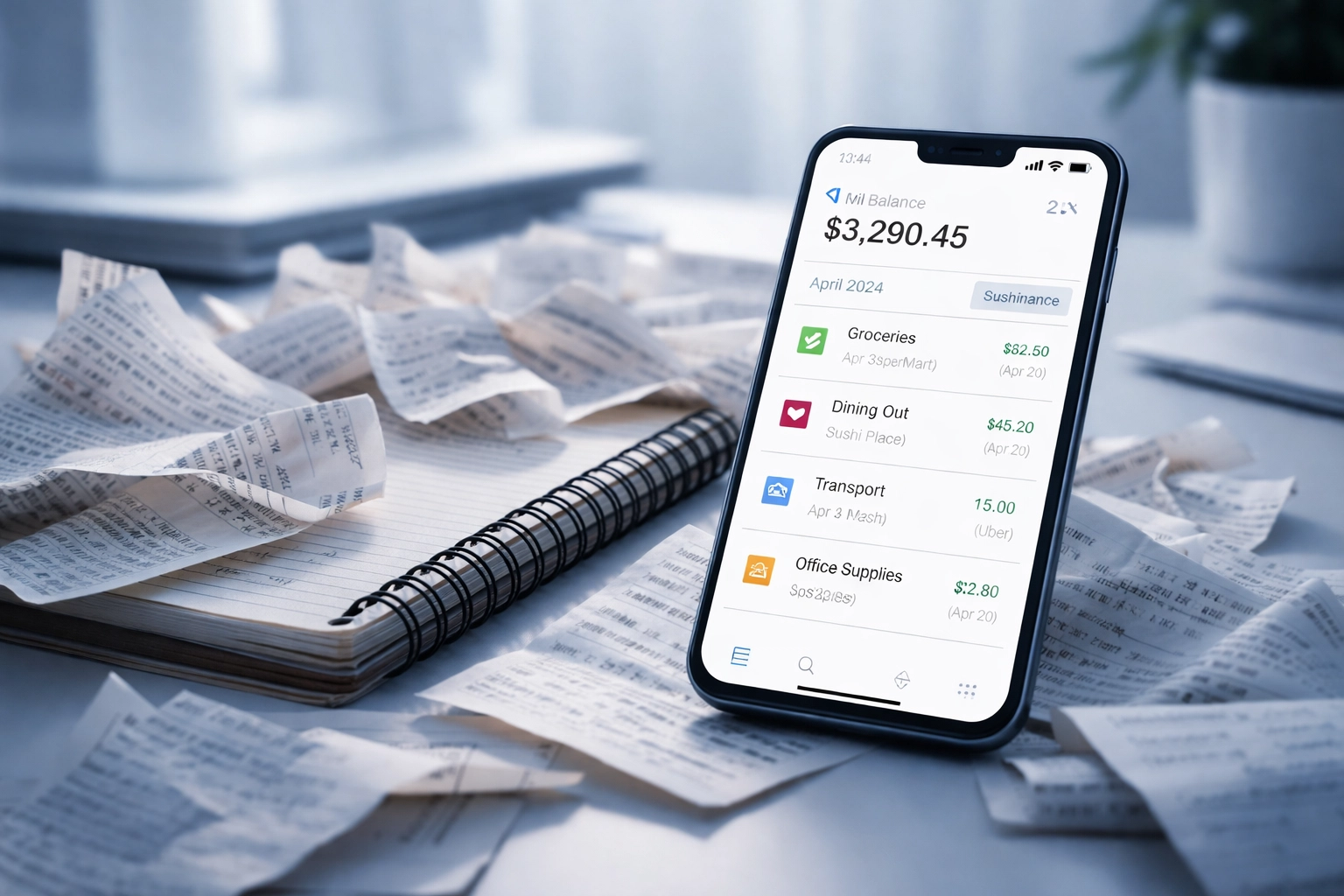
Let's be honest: that crumpled shoebox of gas station receipts under your desk isn't doing you any favors. In 2026, the IRS expects you to keep up with the digital age. Going digital isn't just about compliance; it's about creating clarity and proving your deductions with confidence.
Why Paper Is a Liability
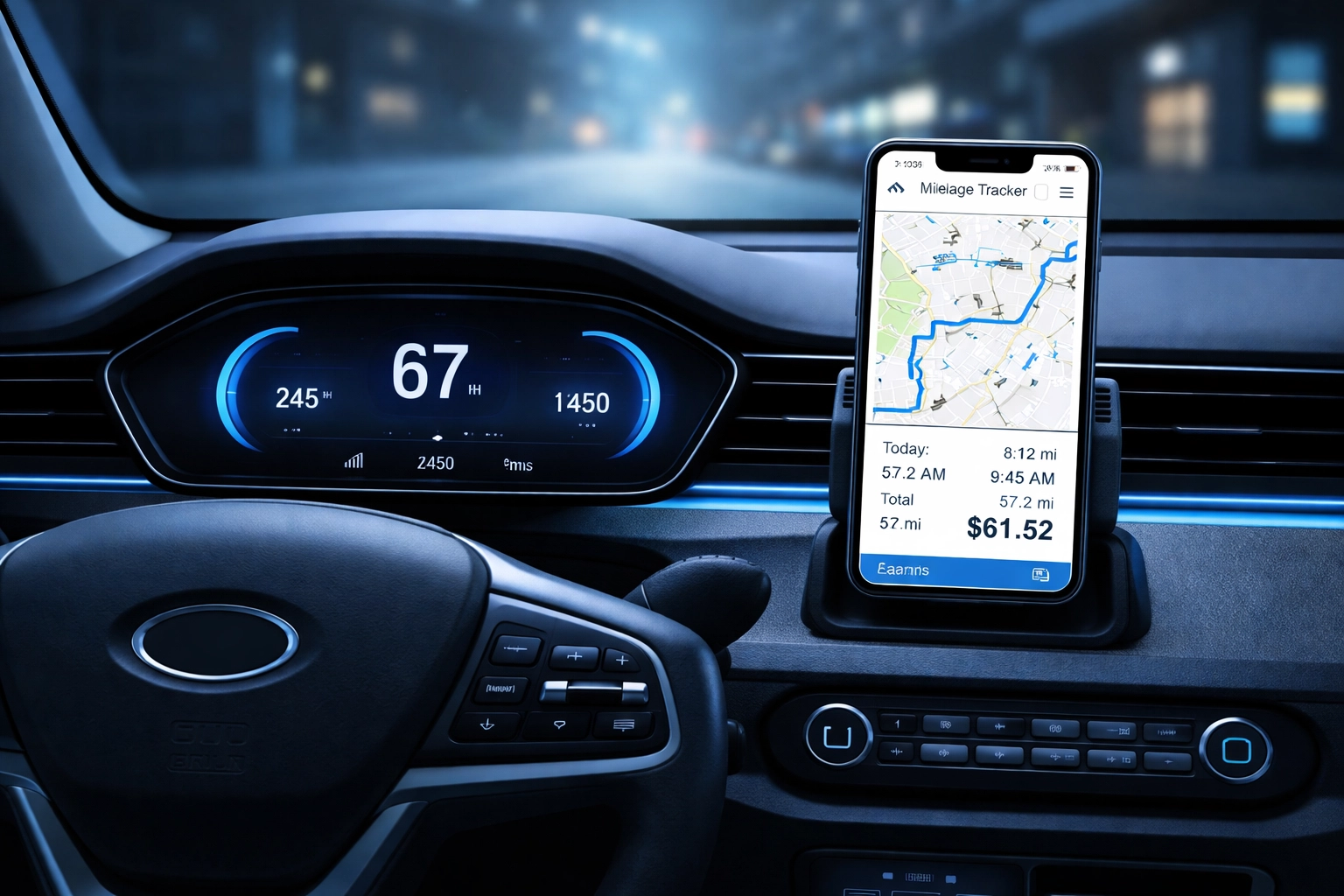
Paper receipts fade and get lost. The IRS actually prefers digital records now because timestamped, "contemporaneous" records are much harder to dispute than a log scribbled together the night before an audit. GPS-verified mileage is your best friend.
The Mileage Non-Negotiables
For a mileage deduction to stick, you need five things for every trip:
- Exact Date
- Start & End Locations (Addresses)
- Specific Business Purpose (Who did you meet and why?)
- Odometer Readings (Beginning and end)
- Total Miles Driven
Note: For 2026, the standard mileage rate is 72.5 cents per mile! That’s a deduction you don't want to lose.
Red Flags to Avoid
- Round numbers: Real driving doesn't happen in perfect 10-mile increments.
- 100% Business Use: Unless it’s a dedicated work truck, this is an instant red flag.
- Back-dating: Digital systems make it obvious if you logged a whole year's worth of trips in one afternoon.
Your 2026 Audit-Proof Action Plan
- Immediate: Download a GPS-based tracker like MileIQ or Everlance.
- Weekly: Set a 5-minute reminder to categorize your trips.
- Monthly: Sync your receipts to your accounting software (QuickBooks, Xero, etc.) and back them up to the cloud.
At Ledger Leaders Strategy Group, we help you build systems that provide peace of mind. Audit-proofing isn't about loopholes—it's about presenting the truth with data.
Want to stop worrying about your records? Book a call with our team and let’s get your digital systems dialed in.